
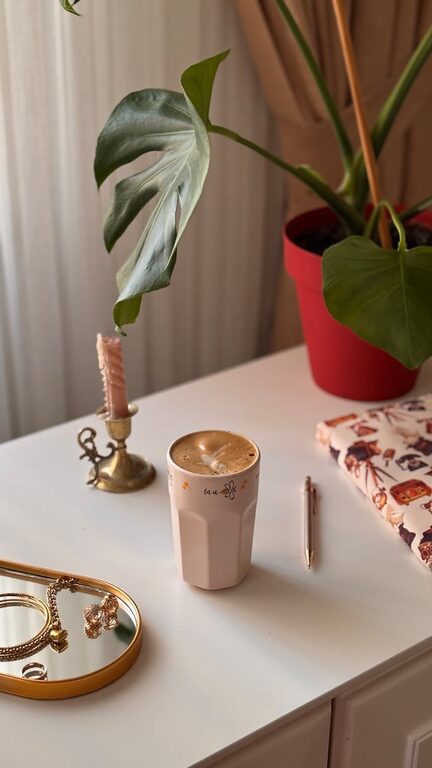
Creating a relaxing home workspace is essential for maintaining focus and well-being, especially when working remotely or managing tasks at home. A cluttered or uncomfortable environment can increase stress, reduce efficiency, and make work feel like a chore. Fortunately, with a few thoughtful adjustments, you can transform any corner of your home into a soothing, productive workspace.
In this post, we’ll explore practical steps to design a home workspace that promotes calmness and helps you stay motivated.
Why a Relaxing Home Workspace Matters
Your workspace directly influences your mood and productivity. When your environment feels calm and inviting, it’s easier to concentrate, manage your time, and maintain a positive mindset. A relaxing workspace reduces distractions and physical discomfort, making your workday smoother and more enjoyable.
Choosing the Right Location
Find Natural Light
Natural light has a powerful effect on your mood and energy levels. Choose a spot near a window where you can benefit from daylight. Position your desk so that sunlight illuminates your space without causing glare on your screen.
Minimize Noise and Distractions
Try to select a quiet area away from busy parts of your home. If that’s not possible, consider noise-cancelling headphones or white noise machines to block out distractions.
Optimize Ergonomics for Comfort
Select the Right Chair
Invest in a comfortable, supportive chair that encourages good posture. Your feet should rest flat on the floor, and your back should be well supported.
Position Your Desk Appropriately
Your desk height should allow your elbows to rest at about a 90-degree angle when typing. The top of your computer screen should be at or slightly below eye level to reduce neck strain.
Create a Calming Color Palette
Colors affect mood more than we often realize. Shades like soft blues, greens, and neutrals tend to create a peaceful atmosphere.
– Soft Blue: Encourages focus and calmness
– Light Green: Evokes balance and relaxation
– Warm Neutrals: Provide a cozy, inviting feel
Consider painting your workspace wall in these hues or adding accessories like cushions, rugs, or artwork to bring in soothing tones.
Incorporate Natural Elements
Bringing nature indoors can improve air quality and add tranquility to your space.
Add Houseplants
Plants like snake plants, pothos, or peace lilies are low-maintenance and help purify the air. Plus, caring for greenery provides a pleasant break during work.
Use Natural Materials
Wood desks, rattan baskets, or stone paperweights add texture and warmth without overwhelming the space.
Declutter and Organize
A tidy workspace helps clear your mind and reduce stress.
Daily Desk Cleanup
Spend 5 minutes at the end of each day tidying your desk. Put away unnecessary items and sort papers.
Use Storage Solutions
Incorporate drawers, shelves, or boxes to keep supplies organized and out of sight. Label containers for easy access.
Control Lighting
Good lighting reduces eye strain and enhances mood.
– Use a combination of overhead and task lighting.
– Adjustable desk lamps let you focus light where needed.
– Avoid harsh fluorescent lights; opt for bulbs with warm tones or daylight spectrum for natural feel.
Personalize Your Workspace Mindfully
Adding personal touches makes your workspace inviting without cluttering it.
– Display photos or art that inspires you.
– Use motivational quotes on a board or calendar.
– Choose functional and aesthetic office supplies in colors you love.
Set Boundaries and Break Times
A relaxing workspace is part of a healthy work routine.
– Define work hours and stick to them.
– Use timers to remind yourself to take regular breaks.
– Stand up, stretch, or take short walks to refresh your mind.
Maintain Air Quality and Temperature
Keep your workspace well-ventilated and comfortable.
– Open windows when possible to let fresh air in.
– Use fans or heaters to maintain a consistent temperature.
– Avoid placing your workspace near vents that blow cold or hot air directly.
Incorporate Calming Scents
Aromatherapy can subtly enhance relaxation.
– Use essential oils like lavender, eucalyptus, or citrus in a diffuser.
– Choose scented candles or air fresheners with gentle fragrances.
Final Thoughts
Designing a relaxing home workspace is about creating an environment that supports your best work while nurturing your well-being. Paying attention to lighting, comfort, organization, and personal touches can dramatically improve how you feel and perform each day.
Start small—perhaps with better lighting or a plant—and gradually build your ideal space. With time, your home workspace will become a peaceful retreat where creativity and productivity flow effortlessly.
